


How Symbolic Association, Tribal Reflex, and Collapsing Proportionality Are Reshaping Public Discourse
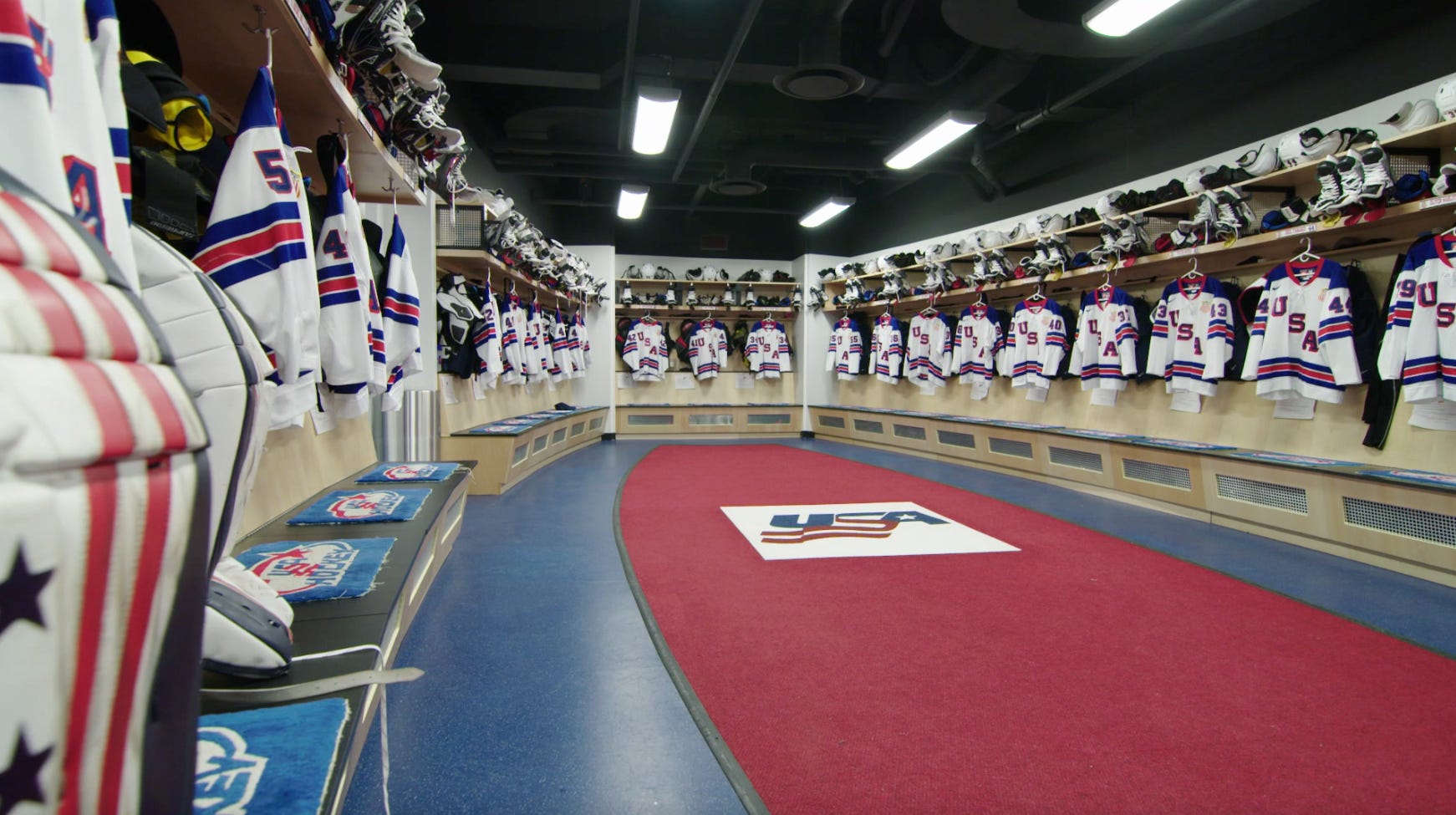
There was a time when a championship locker room was simply that, a space where athletes celebrated the culmination of sacrifice, discipline, and teamwork. Today, it has become something else entirely: a symbolic battleground in a wider cultural war. The recent backlash surrounding the U.S. men’s team is not really about a guest in a locker room. It is about how quickly symbolic proximity is converted into moral indictment in an age of polarization.
What happened was simple on its surface. A public official appeared in a celebratory space. There was laughter. There were photos. Within hours, the narrative hardened. Association became endorsement. Endorsement became allegiance. Allegiance became proof of moral corruption. The athletes were no longer competitors who had just won; they were recast as ideological actors.
This escalation follows a familiar pattern in highly polarized societies. First, an event is filtered through tribal identity. Second, intent is assumed rather than examined. Third, the reaction becomes disproportionate to the evidence available. In such climates, neutrality feels like betrayal, and ceremonial gestures are interpreted as loyalty oaths. The symbolic eclipses the substantive.
What makes this moment revealing is not that people are passionate. Passion is not the problem. The problem is the collapse of proportionality. A locker-room visit becomes equivalent to systemic injustice. A laugh becomes complicity. Optics become ontology. When language stretches that far, it begins to lose meaning. And when meaning erodes, discourse becomes performance rather than persuasion.
This is not a defense of every political figure, nor is it a dismissal of legitimate ethical scrutiny. Public officials should be questioned. Taxpayer-funded travel should be examined. Rhetoric that demeans others should be criticized. But critique requires calibration. It requires distinguishing between poor taste, political disagreement, and criminal wrongdoing. When everything is elevated to fascism, nothing is examined with precision.
What we are witnessing is the transformation of athletes into avatars of our broader anxieties. The team’s achievement becomes secondary to the symbolic war being waged around them. That shift tells us less about hockey and more about the fragility of our civic culture. Trust has eroded to such a degree that ordinary ceremonial interactions are interpreted through suspicion and hostility.
Discernment in this environment is not about apathy. It is about disciplined judgment. It asks: What actually happened? What evidence supports the charge? Is the conclusion proportionate to the act? It resists both tribal reflex and moral panic. It refuses to flatten complex realities into viral outrage.
If every public moment becomes a referendum on ideological purity, then public life itself becomes unsustainable. The alternative is not silence; it is clarity. Critique where warranted. Investigate where necessary. But preserve the distinction between optics and offense, between association and endorsement, between anger and argument.
A healthy society depends on its ability to hold tension without collapsing into caricature. When a locker room becomes a battlefield, it is not sport that has changed. It is us. #TruthOverTribe
I think it’s wrong that anyone is allowed into their locker room. You think their families aren’t completely stoked that their child just won gold?! They aren’t even allowed in there, just as it is for every sport from a very young age. My son played hockey from the age of 4, never saw a parent allowed on the ice when their child got injured-like had to go to the hospital injured-or in the locker room. It’s their space, where they share every win and loss for years with each other. And at Olympic level, these are grown men! Celebrating their blood, sweat and tears and every sacrifice they make to get there. It’s their WIN TO CELEBRATE WITH THEIR TEAM! Everyone else can wait for them to come out and celebrate with them then, not be a part of a team celebration they have nothing to do with!